Trezor Login: Secure Access to Your Crypto Hardware Wallet
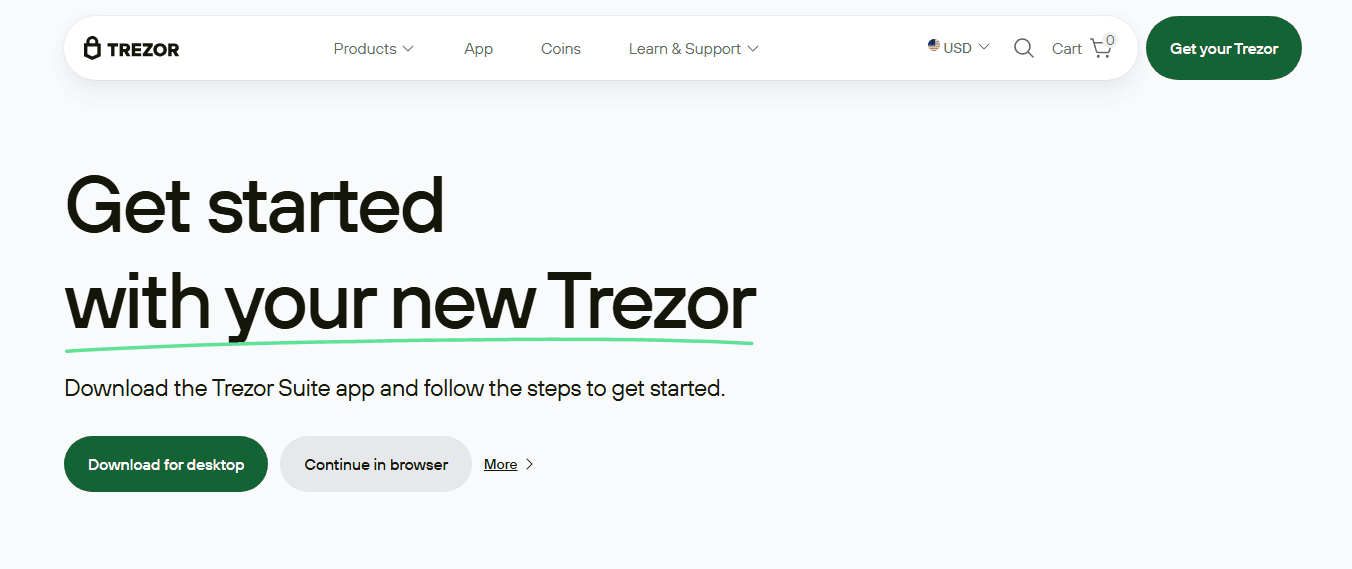
Trezor Login: Secure Access to Your Crypto Hardware Wallet
Cryptocurrency security is a top priority for every digital asset holder. With the rapid growth of crypto adoption, hackers are constantly inventing new ways to compromise user accounts, wallets, and exchanges. That’s why hardware wallets like Trezor have become one of the most recommended solutions for secure crypto storage. Unlike software wallets or exchange wallets, Trezor keeps your private keys offline, providing full control over your digital funds.
If you already own a Trezor device or are planning to purchase one, understanding how the Trezor Login process works is crucial. This comprehensive guide will walk you through every aspect of securely accessing your Trezor wallet — from device setup and PIN authentication to troubleshooting and safety tips for avoiding scams.
What is Trezor Login?
The term Trezor Login refers to the secure authentication process required to access your crypto wallet using a Trezor hardware device. Instead of entering a username or password online, your login identity is verified through:
✔ Your physical Trezor hardware wallet
✔ Your unique device PIN (stored offline)
✔ Your recovery seed backup (only used in emergencies)
This ensures each login attempt requires physical confirmation and cannot be executed remotely by hackers.
Why Trezor Login is More Secure Than Web-Account Logins
Most online services rely on:
- Passwords
- 2FA apps or SMS verification
- Email confirmations
These can be compromised through phishing or malware attacks.
Trezor Login uses offline authentication, meaning:
Security ElementStored LocationHackable Online?Private KeysInside Trezor device chip❌ NoPINLocal physical device❌ NoSeed Recovery PhraseOffline backup❌ No
Even if your computer is infected, the attacker cannot extract your crypto keys.
Primary Platforms Used for Trezor Login
To access and manage your wallet, Trezor supports official login platforms:
1️⃣ Trezor Suite App (Desktop) — recommended
2️⃣ Trezor Suite Web (browser login)
3️⃣ Integrated Web Login for Supported Platforms such as:
- MetaMask
- WalletConnect dApps
- Trading platforms supporting hardware wallets
The safest method is:
➡️ Download Trezor Suite from the official Trezor website only
Step-by-Step Guide: How to Perform Trezor Login Using Trezor Suite
Follow the process carefully:
Step 1: Connect Your Trezor Device
- Use the original USB cable provided
- Ensure the port connection is secure
- Avoid public or shared computers
Step 2: Open Trezor Suite
- Available for Windows, macOS, and Linux
- If not installed — download from the official Trezor website
Step 3: Enter Your Device PIN
- The PIN layout displays randomly on the computer screen
- Use the blind PIN input grid on the hardware screen to avoid keylogging
- Never share your PIN with anyone
Step 4: Confirm Login on Your Trezor Device
- Physically press buttons on the device to approve login
- This prevents remote access by anyone else
After confirmation, your dashboard shows balances, recent transactions, and portfolio breakdown.
Logging into Trezor via Browser (Web Suite)
If you do not wish to install the app:
- Visit the official Trezor Suite web app
- Select “Continue to Browser Wallet”
- Connect the device
- Approve the security prompts on device
⚠️ Avoid Chrome extensions, unknown wallet websites, or redirects claiming to be Trezor.
Trezor Login Without a Device — Is It Possible?
Short answer: NO
You cannot login to your Trezor wallet without:
- The physical hardware device
- The unique PIN
This security design protects users from remote theft.
However, if the device is lost or damaged:
➡️ You can restore access using your Recovery Seed on a new Trezor device
➡️ Or temporarily on a secure third-party wallet (not recommended long-term)
Understanding Trezor Security Components
✔ The PIN Code
- Required every time you unlock the device
- If incorrect PIN is entered repeatedly, Trezor wipes itself as protection
✔ Passphrase (Optional)
- A customizable 25th word added to your recovery seed
- Makes brute-forcing impossible
✔ Recovery Seed
- 12, 18, or 24-word backup generated during setup
- ONLY used for restoring wallet on a new device
- Must be written physically (never stored digitally)
These form a triple-layer security wall against unauthorized login attempts.
Hardware Models and Login Differences
FeatureTrezor Model OneTrezor Model TDisplay TypeMonochrome screenFull-color touchscreenEnter PINThrough computerDirectly on touchscreenPassphrase EntryOn computerSecure on deviceBest ForBasic crypto usersAdvanced security users
Regardless of device type, login workflow remains similar, with enhanced protection on Model T.
Common Trezor Login Problems & Fixes
ProblemCauseSolutionDevice not detectedFaulty cable / USB portReplace cable, switch port, update SuiteIncorrect PIN attemptsWrong mapping referenceReboot and re-check layout carefullyBrowser disconnectsUnsupported browser or cache issueUse Chrome/Firefox, clear cachePassphrase incorrectTypo or case sensitive issueRetype carefully or recover with seedFirmware outdatedSuite login blockedUpdate firmware via Suite
If nothing works → restart both device and computer → try again.
Phishing & Scam Risks During Trezor Login
Cybercriminals target hardware wallet users through:
⚠ Fake login websites
⚠ Fake software downloads
⚠ Malware disguised as wallet tools
⚠ Emails pretending to be Trezor support
⚠ Messages asking for your recovery phrase
🚫 Trezor Support will NEVER ask for your seed phrase.
Always double-check:
- The website domain spelling
- SSL certificate (padlock icon)
- No spelling or design mistakes on page
How to Know if a Trezor Login Page is Genuine
Here are signs the login path is official:
✔ Website address belongs to trezor.com
✔ Browser extension requirements removed (legacy tech sunset)
✔ You are prompted to approve action on the device
✔ Messages appear directly on your Trezor screen
If the page asks to manually type your seed into a browser:
➡️ Close immediately — scam!
Using Trezor Login with MetaMask
Many users store Ethereum-based assets in MetaMask but secure keys via Trezor.
Steps:
- Open MetaMask
- Connect Hardware Wallet → Select Trezor
- Plug in Trezor and approve permissions on device
- Select derivation path and accounts
Now MetaMask becomes a view + transaction request tool
while Trezor performs all crypto signing securely.
Best Security Practices for Trezor Login
To stay fully protected:
🔹 Always download Trezor Suite from official website
🔹 Keep device firmware updated
🔹 Use a strong PIN (avoid patterns)
🔹 Enable passphrase for extra protection
🔹 Never store recovery seed digitally
🔹 Avoid public Wi-Fi when managing crypto
🔹 Disconnect device when not in use
🔹 Bookmark the official login page
Remember: Your crypto safety depends on how securely you access your wallet.
Advanced Security Features Beyond Login
Trezor offers settings to strengthen login protection:
FeatureBenefitShamir BackupSplits recovery seed into multiple sharesBitcoin-only FirmwareReduces attack surfaceTor Integration in SuiteFull privacy protectionLock TimeoutAuto-lock after defined period
These ensure high-level protection for long-term crypto holders.
When to Reset Your Trezor Login Credentials
You should consider resetting your PIN or regenerating seed if:
- You suspect someone has seen your current PIN
- You accidentally exposed seed information
- Device behaves abnormally or seems compromised
Recovery resets are device-guided, but must be done carefully to avoid losing access.
FAQ: Trezor Login
Q1. Can someone hack my Trezor login if they know my PIN?
➡️ No, they also need physical device access.
Q2. Do I need internet to login?
➡️ Internet is needed for Suite syncing, but authentication is offline.
Q3. Can I log in on multiple computers?
➡️ Yes, as long as you have your hardware wallet.
Q4. What if my device gets stolen?
➡️ Without PIN + passphrase, funds remain safe.
Restore on new device using recovery seed if needed.
Conclusion: Why Trezor Login is the Safest Way to Access Your Crypto
Trezor’s login system is designed based on the most important principle in crypto:
“Not your keys, not your crypto.”
Because login requires:
- Physical confirmation
- Offline PIN entry
- Optional passphrase security
It protects your digital assets from online theft, phishing, and malware attacks.
If you value complete security and independence in managing your cryptocurrency portfolio, Trezor remains one of the most trusted hardware wallets in the industry.