How to Use Trezor Bridge v24.12.3: A Comprehensive Guide
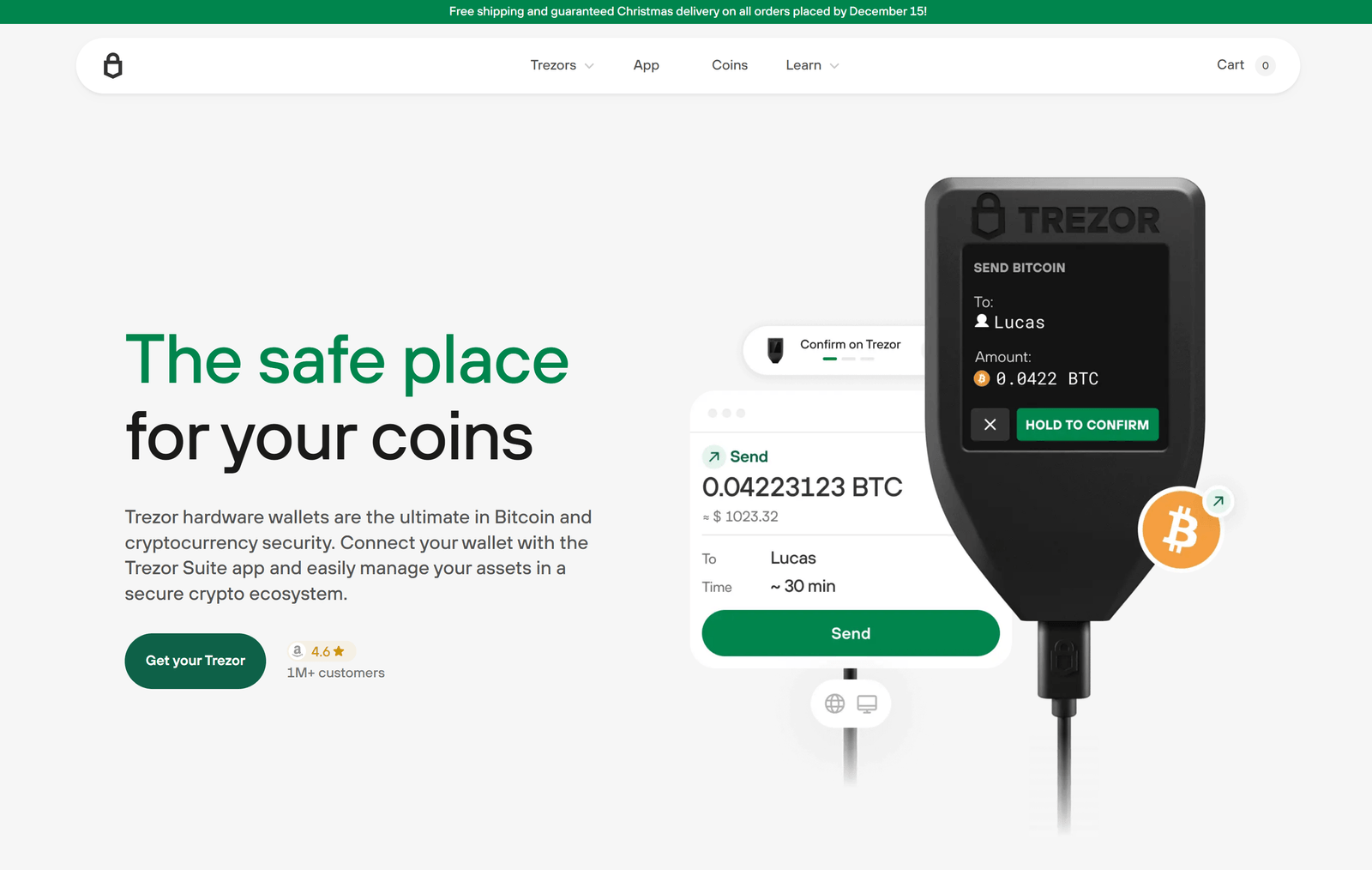
Trezor Bridge v24.12.3 is an essential tool for Trezor hardware wallet users, as it enables seamless communication between your Trezor device and the Trezor web application. This guide will walk you through how to install, use, and troubleshoot Trezor Bridge to ensure that you can securely manage your cryptocurrency without any hitches. Whether you're a beginner or an experienced user, this step-by-step tutorial will help you navigate Trezor Bridge with ease.
What is Trezor Bridge?
Trezor Bridge is a software that acts as a communication interface between your Trezor hardware wallet and the web-based Trezor Wallet application. It enables the wallet to connect to your Trezor device, ensuring your private keys never leave the device while interacting with cryptocurrency transactions. With the release of Trezor Bridge v24.12.3, several new features and improvements have been added to enhance user experience and security.
Why Do You Need Trezor Bridge?
When you want to access your Trezor device through the Trezor Wallet application on your web browser, Trezor Bridge is the software that facilitates the connection. Without Trezor Bridge, you wouldn't be able to communicate with your device via the web interface. Here are some key reasons why Trezor Bridge is vital:
- Secure Transactions: It ensures that all sensitive information, such as private keys, remains securely stored on your device, preventing unauthorized access.
- Compatibility: Trezor Bridge ensures that Trezor wallets are compatible with various web browsers like Chrome, Firefox, and Edge.
- Up-to-date Software: With each new version, like v24.12.3, the Trezor Bridge is constantly updated to improve security, fix bugs, and enhance performance.
How to Install Trezor Bridge v24.12.3
To get started with Trezor Bridge v24.12.3, follow these simple steps to install the software on your computer.
- Download Trezor Bridge:
Visit the official Trezor website to download the latest version of Trezor Bridge v24.12.3. You can find the download link on the Trezor support page here - .
- Install the Software:
After downloading the installer, open it and follow the on-screen instructions to install Trezor Bridge. The installation process is quick and easy, and it will automatically configure the necessary settings. - Restart Your Browser:
Once installed, restart your browser to enable the Trezor Bridge to work properly with Trezor Wallet. You may need to grant permission to your browser to run Trezor Bridge if prompted.
How to Use Trezor Bridge with Trezor Wallet
Now that Trezor Bridge is installed, follow these steps to connect your Trezor device to Trezor Wallet:
- Connect Your Trezor Device:
Plug your Trezor hardware wallet into your computer using a USB cable. Ensure that your device is powered on. - Open Trezor Wallet:
Go to the official Trezor Wallet website (wallet.trezor.io - ) in your browser. You will be prompted to log in with your Trezor device.
- Establish a Connection:
Once on the Trezor Wallet page, Trezor Bridge will automatically detect your device. If this is the first time you're using Trezor Bridge, you may be asked to confirm the connection. - Access Your Wallet:
After the connection is established, you can securely manage your cryptocurrency, view balances, send and receive transactions, and check your transaction history—all through the Trezor Wallet interface. - Security Features:
When you initiate any transaction, you will be prompted to confirm the action on your Trezor device, ensuring that no one can perform unauthorized transactions on your behalf. This feature is part of the two-factor authentication that Trezor provides.
Troubleshooting Common Issues
If you encounter any issues while using Trezor Bridge, here are some common problems and solutions:
- Trezor Bridge Not Detecting Device:
- Ensure that your Trezor hardware wallet is securely connected to your computer.
- Try using a different USB cable or port.
- Restart your browser and reconnect the device.
- Browser Compatibility Issues:
- Ensure that you're using a compatible web browser, such as Google Chrome, Firefox, or Microsoft Edge.
- Clear your browser cache and try again.
- Outdated Trezor Bridge Version:
- Always ensure that you're using the latest version of Trezor Bridge. You can check for updates by visiting the Trezor support page
- .
- Security Warnings:
- If you receive any security warnings while using Trezor Bridge, make sure you're on the official Trezor website and avoid third-party sources.
Best Practices for Secure Usage
To maximize the security of your Trezor hardware wallet and Trezor Bridge, follow these best practices:
- Use Strong Passwords: Always use a strong, unique password for your Trezor device and for any associated accounts.
- Regular Updates: Keep Trezor Bridge and your Trezor device firmware up to date to take advantage of the latest security enhancements.
- Backup Your Recovery Seed: Make sure you securely store your recovery seed phrase in a safe location. This phrase is the key to recovering your assets in case your device is lost or damaged.
Conclusion
Trezor Bridge v24.12.3 is a powerful tool for ensuring that your Trezor hardware wallet can seamlessly interact with the Trezor Wallet web interface. By following the installation and usage instructions outlined in this guide, you can securely manage your cryptocurrency with ease. Always ensure that you're using the latest version and follow best security practices to keep your assets safe.